Solar Generator vs Gas Generator: Which Is Better for Storm Prep (2026)?
Solar generators are safer, quieter, and maintenance-free. Gas generators output more power for longer. Here is an honest comparison for storm shelter and home backup use in 2026.
The #1 question storm shelter owners ask: should I get a solar generator or a gas generator for backup power? Short answer: for use inside a storm shelter, solar wins by a wide margin. For powering your whole house during an extended outage, gas still has the edge on raw capacity. Here is the full breakdown.
Affiliate disclosure: Some links below are affiliate links — we may earn a commission at no extra cost to you. We only recommend products we trust. Full disclosure →
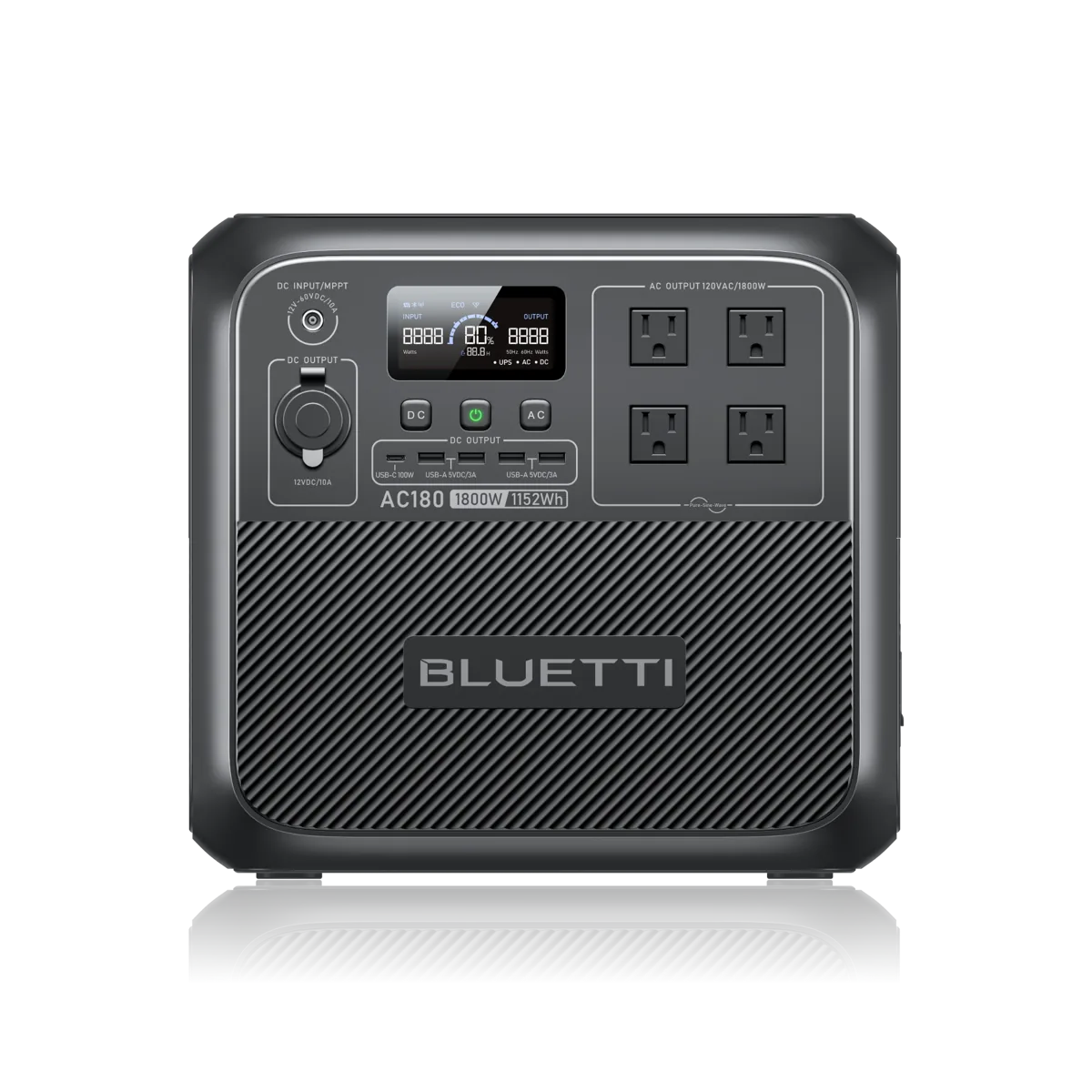
The Core Difference
A solar generator (also called a portable power station) is a rechargeable battery with an inverter. It stores electricity and outputs it through AC outlets — silently, safely, with no fumes. A gas generator burns gasoline to produce electricity on-demand — noisily, with exhaust, and indefinitely as long as you have fuel.
These different mechanisms create completely different use cases:
| Factor | Solar Generator | Gas Generator |
|---|---|---|
| Safe inside shelter | Yes | Never — CO fatal |
| Power capacity | 1–5 kWh | Unlimited (with fuel) |
| Noise | Silent | 65-75 dB (very loud) |
| Maintenance | None | Oil changes, fuel storage, carb cleaning |
| Shelf life | 10+ years idle | Gas goes stale in 30-90 days |
| Startup time | Instant (push button) | 30-60 seconds (pull cord or key start) |
| Cost (1000Wh class) | $699-999 | $400-900 |
| Runs continuously | Limited by battery | Yes (with fuel) |
The Non-Negotiable for Storm Shelters: Carbon Monoxide
A gas generator running inside or adjacent to a sealed underground storm shelter will kill you. Carbon monoxide is colorless, odorless, and reaches lethal concentrations in minutes in an enclosed space. Every year, tornado survivors die from CO poisoning after running a generator at the shelter entrance or in a garage nearby. If your shelter is underground and sealed, a solar generator is the only safe option.
This is not a preference — it is a non-negotiable safety requirement. Solar generators were designed specifically for this use case.
When Gas Generators Win
Gas generators make sense for post-tornado whole-home power when you are back at your house (not in the shelter) and need to run a refrigerator, HVAC system, sump pump, or multiple major appliances simultaneously. A 7500W gas generator at $800 can power things a $1,000 solar unit cannot touch in terms of wattage.
If you have a large home, a well pump, or medical equipment requiring sustained high wattage, consider a dual approach: solar generator inside the shelter, gas generator outside for whole-home recovery after the storm passes.
Best gas generators for home backup:
- Champion 3500W Dual Fuel (~$400) — best budget whole-home generator
- Honda EU2200i (~$1,100) — quietest gas generator, best for RVs and sensitive electronics
- Generac GP7500E (~$900) — best for whole-home with multiple appliances
Best Solar Generators for Storm Shelters in 2026
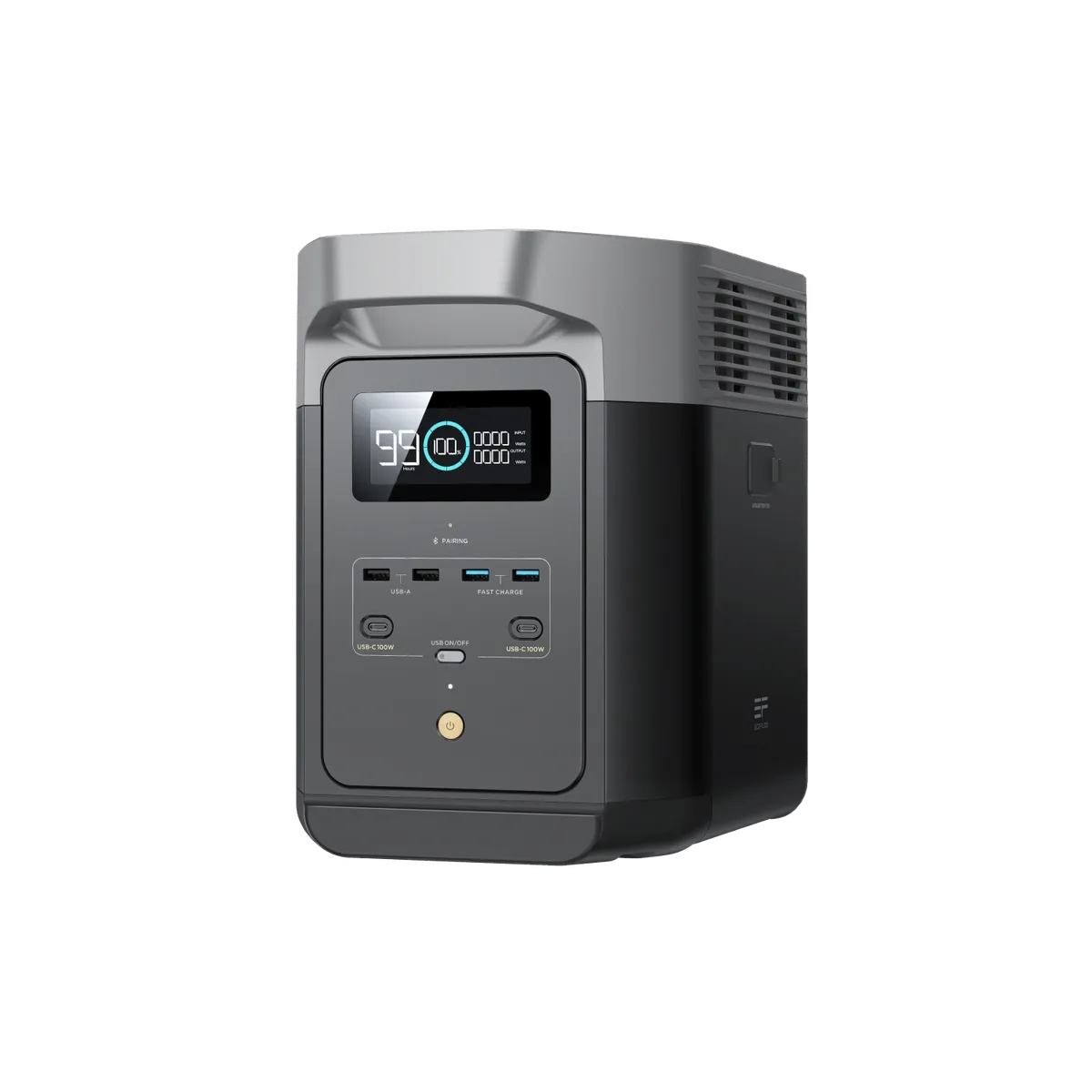
1. EcoFlow DELTA 2 ($999) — 1024Wh, expandable to 3072Wh, best app. Best for tech-forward buyers who want to grow capacity over time.
2. Bluetti AC180 ($699) — 1152Wh, 45-minute fast charge, $0.61/Wh. Best overall value. Our top pick for most storm shelter owners.
3. Jackery Explorer 1000 v2 ($799) — 1070Wh, lightest at 23.8 lbs. Best for steep shelter steps or smaller adults.
Our Recommendation
For storm shelter use: solar generator, full stop. The safety requirement alone settles the debate. Buy a solar generator sized to your family's 48-hour power needs, keep it charged, and use it inside your shelter with confidence.
For whole-home post-tornado recovery outside the shelter: a gas generator or standby propane generator gives you more raw wattage for less money. The two are not competing — they are complementary tools for different phases of a storm event.
Need a storm shelter delivered this week?
EF5-rated underground concrete. $4,250. 10-year warranty. 1-week delivery.
Get my price in 60 seconds →— Kay, Founder of Home Defend Pro
We sell EF5-rated underground concrete storm shelters delivered to your driveway starting at $4,250. 1-week delivery. 10-year structural warranty. Get an instant quote →
Frequently Asked Questions
Can I use a gas generator inside a storm shelter?
Never. Gas generators produce carbon monoxide, which reaches lethal concentrations in minutes inside a sealed underground shelter. Only solar generators (battery-powered units with no exhaust) are safe for shelter use.
How long does a solar generator last during a power outage?
A 1000Wh solar generator (like the Bluetti AC180 or EcoFlow DELTA 2) will power shelter essentials — lights, phone charging, a fan, and a CPAP machine — for 24-36 hours. Adding extra battery capacity extends this to 48-96 hours.
Is a solar generator worth it for storm prep?
Yes. Solar generators are maintenance-free, store for 10+ years without degradation, start instantly, and are completely safe in sealed spaces. They are the only viable option for storm shelter power backup.
What size generator do I need for a storm shelter?
For a family of 2-4 in a shelter: 1000-1200Wh handles lights, phones, fan, and CPAP for 24-36 hours. For a family of 4+: 2000Wh+ is recommended. The Bluetti AC180 (1152Wh, $699) or EcoFlow DELTA 2 expandable system ($999+) covers both scenarios.
Solar generator vs gas generator — which lasts longer?
Gas generators can run indefinitely with fuel but require maintenance and have a gas shelf life problem (stale fuel in 30-90 days). Solar generators store fully charged for years with no maintenance, but runtime is limited by battery capacity.
What is the best solar generator for home backup in 2026?
The Bluetti AC180 ($699) is the best value — 1152Wh at $0.61/Wh with 45-minute fast charging. The EcoFlow DELTA 2 ($999) wins on expandability (up to 3072Wh) and app quality. The Jackery Explorer 1000 v2 ($799) is the lightest option at 23.8 lbs.